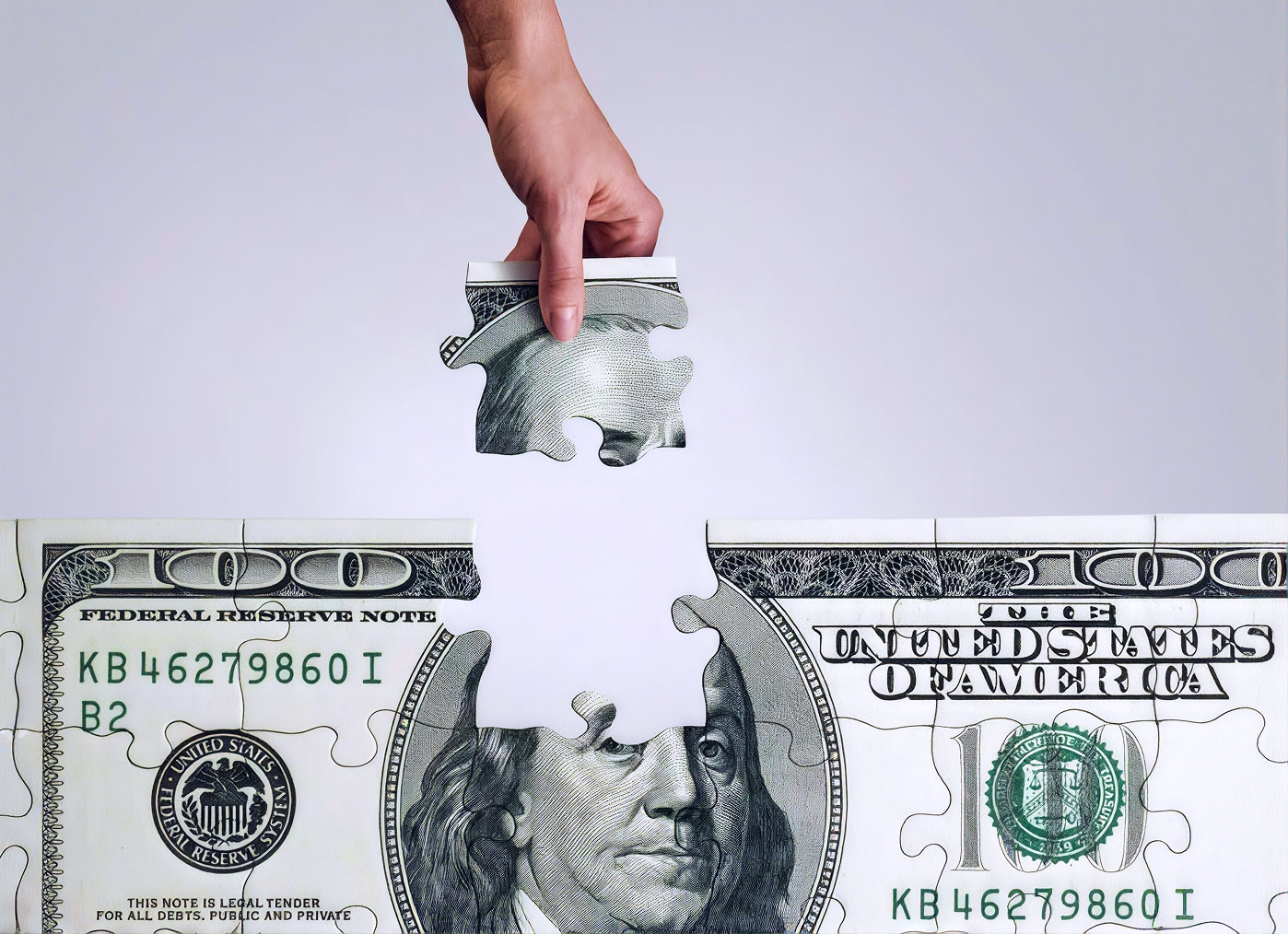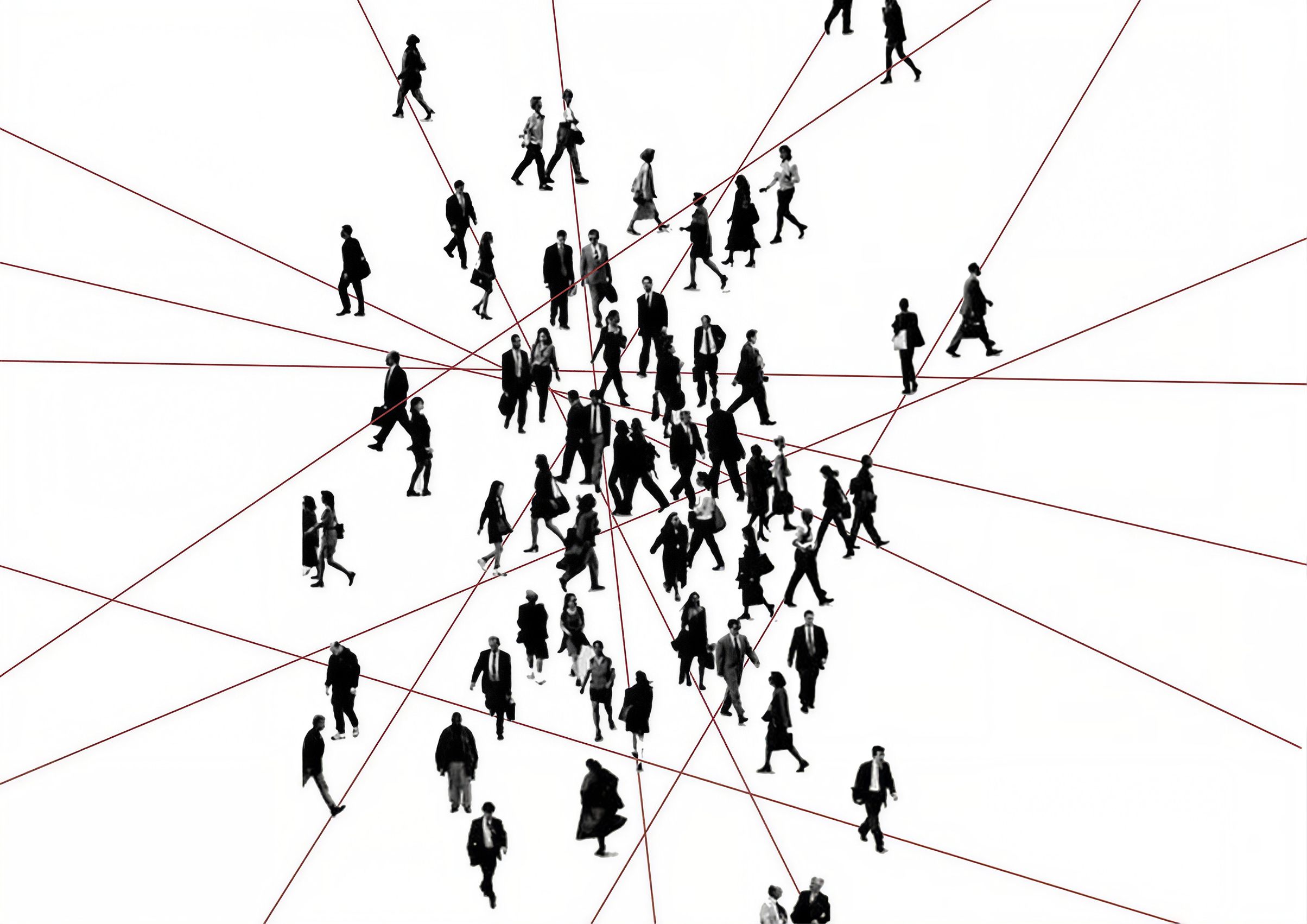

The photograph and the hologram
Brand safety and personalization seem like opposites. Two people can look at the same ad and see two completely different things. Not because they misread it. Because they didn’t see the same ad. Your campaign generated a different headline, a different image, a different offer for each of them.
For years, brand consistency meant everyone got the same message, the same visual, the same tone. That made sense when a human decided what to show and when. It doesn’t describe how a brand operates anymore.
Break a photograph and each piece is just a fragment. You need every piece back to see the picture. Break a hologram and each fragment still holds the whole image. Your brand doesn’t run on photographs anymore. It runs on hologram logic: thousands of versions, each one still recognizably yours.
Brand safety: What’s allowed to flex, and what never does
That only happens when there’s a system behind every version, not just a guideline document sitting in a shared drive that nobody opens before launch.
Inside that system, some things flex. The headline can change by audience. The offer can change by intent. The image can rotate depending on what’s performing. At the volume campaigns run today, no team is reviewing each combination before it goes live. Nobody realistically could.
Other things don’t move at all. The logo mark can’t change. The core claim can’t change. Anything on the restricted list stays fixed, no matter how well a variation might perform. That’s not a creative deciding what looks right in the moment. That’s a boundary deciding what’s even allowed to be tested in the first place.
A boundary deciding what’s even allowed to be tested
This is the part that makes scale survivable instead of chaotic. The fixed list isn’t a constraint on performance. It’s the reason performance can be optimized aggressively everywhere else without the brand drifting in the process.
That’s what makes personalization scalable without losing control: not because someone is checking every version by hand, but because the versions that could break the brand were never options to begin with.
That fixed list works the same way as the spend ceiling and channel rules covered in how to govern AI in paid media: it’s part of what makes autonomous AI different from plain automation, and it’s exactly why human oversight in autonomous advertising can mean reviewing the rule instead of every ad.
Optimization that never drifts from the brand. KPIs guaranteed by contract.
Mainkore