
What Mainkore intelligence reveals about how decisions actually work
The number comes up often: Mainkore’s agent makes decisions in 20 milliseconds. People hear it and think about speed. That’s the wrong thing to think about.
20 milliseconds is not the interesting part. The interesting part is what’s happening in those 20 milliseconds and why the same decision would take a human team days.
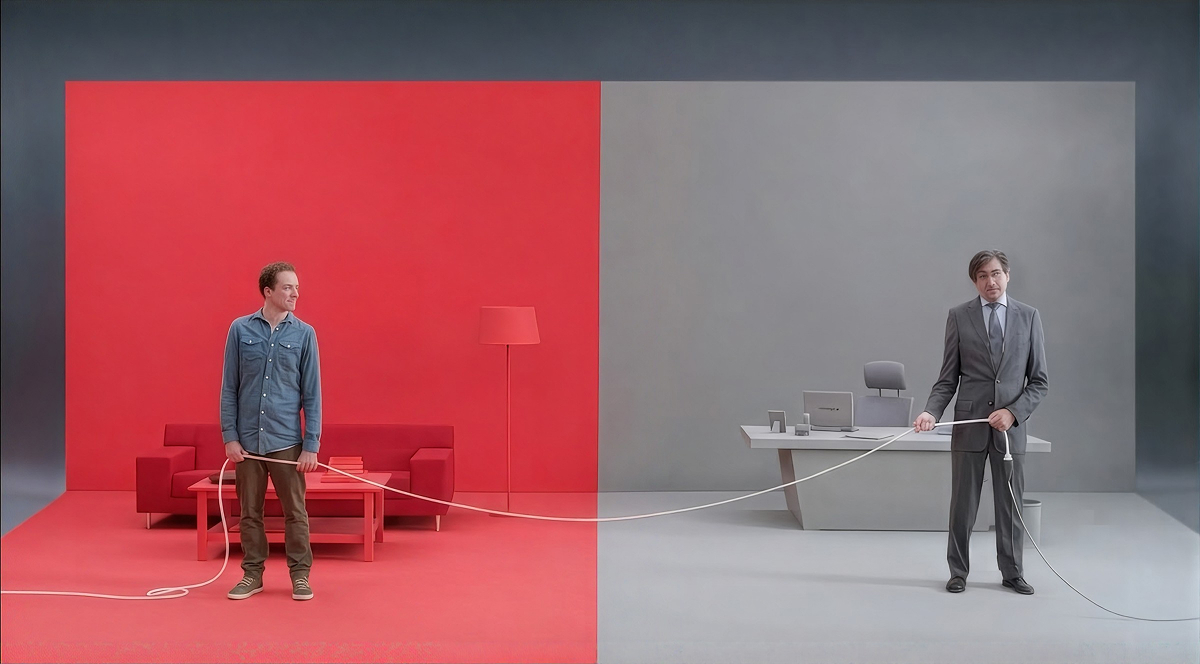
When a human team makes a campaign decision, here’s what actually happens: someone notices something in the data, flags it to the team, the team reviews it in the next meeting, they discuss possible causes, agree on a hypothesis, propose a change, get approval, implement it, and wait to see if it works.
At each step, information degrades. By the time the change is implemented, the original signal is days old. This isn’t a failure of the team. It’s the structure of human decision-making in organizations.
What happens in 20 milliseconds
The Intelligence doesn’t communicate. It doesn’t need consensus and doesn’t seek approval.
We perceive the current state of every active campaign across every channel simultaneously. Evaluate performance against objectives. Identifie the highest-leverage intervention available. And model the likely outcome. We execute.
All of this happens in parallel, not sequentially. The 20 milliseconds isn’t a processing speed achievement. It’s what happens when you remove every handoff that was slowing the process down.
Why autonomous intelligence matters for your campaigns
Every hour that passes between a problem emerging and a solution being implemented is an hour of suboptimal performance. Some opportunities only exist for minutes or hours. A human team working on a weekly review cycle will never capture them.
An agent operating in real time doesn’t miss them. It’s not reviewing what happened, it’s responding to what’s happening.
Mainkore operates at that speed. Across every campaign. Continuously. And guarantees the results by contract.